Raccoons are intelligent, adaptable, and resourceful animals that often make their way into urban and suburban properties in search of food, shelter, and safety. While they may appear harmless from a distance, raccoons can cause extensive damage to homes and buildings, as well as pose significant health risks to residents and pets. Their climbing ability, dexterity, and persistence make them challenging to manage without professional assistance. Professional Raccoon Removal Service Texas is designed to safely eliminate these animals while preventing future wildlife damage, ensuring the protection of both property and occupants.
Unlike smaller pests, raccoons require careful handling due to their size, strength, and potential for aggression when cornered. Attempting to remove raccoons without proper training, equipment, or permits can lead to injuries, disease exposure, or ineffective results. Professional services offer structured solutions that address both immediate infestations and long-term prevention, providing a reliable and humane approach to wildlife management.
Understanding Raccoon Behavior and Property Attraction
Raccoons are nocturnal, opportunistic feeders with remarkable adaptability. They consume a wide variety of foods, including pet food, garbage, garden produce, and birdseed. Their ability to exploit multiple food sources allows them to thrive near human habitation, particularly in areas where food is easily accessible and shelter is available.
Raccoons often prefer elevated nesting areas such as attics, chimneys, roof spaces, and tree canopies. They are adept climbers and can enter buildings through vents, damaged shingles, or small gaps in eaves and siding. Once a safe nesting area is found, raccoons may repeatedly return, establishing a persistent problem that can escalate if not addressed promptly. Professional raccoon removal services focus on understanding these behavioral patterns to develop effective removal and prevention strategies.
Common Signs of Raccoon Infestation
Early detection of raccoon activity is essential for minimizing property damage and health risks. While raccoons are generally secretive, their presence often leaves behind clear indicators that property owners should recognize.
Common signs include:
- Nocturnal noises such as scratching, thumping, or scurrying in attics, walls, or ceilings.
- Evidence of nesting, including shredded insulation, chewed materials, or debris in roof spaces, garages, or basements.
Other signs may include overturned garbage, raccoon tracks near property boundaries, and foul odors from urine or waste. Recognizing these indicators early allows property owners to engage professional removal services before the infestation worsens.
Health Risks Associated With Raccoons
Raccoons are known carriers of several diseases that can affect humans and pets, including leptospirosis, rabies, and raccoon roundworm. Contact with raccoon saliva, urine, or feces can lead to disease transmission, making safe removal and cleanup critical. Enclosed spaces such as attics or crawl spaces can accumulate droppings, which may release airborne pathogens and worsen indoor air quality.
In addition, raccoons often carry ectoparasites such as fleas, ticks, and mites, which can spread diseases to humans and pets. Professional raccoon removal services address these risks by safely removing the animals, thoroughly cleaning affected areas, and implementing measures to prevent recontamination.
Property Damage Caused by Raccoons
Raccoons can cause extensive damage to structures and landscaping due to their strength, dexterity, and persistence. They are capable of tearing through insulation, chewing wires, and manipulating objects to access food or shelter. Electrical wiring damage poses fire risks, while destroyed insulation can compromise energy efficiency and increase utility costs.
Raccoons may also damage roofs, gutters, siding, and vent openings as they search for entry points or create nests. Outdoor spaces, including gardens, compost bins, and sheds, are particularly vulnerable to raccoon activity. Professional removal services not only eliminate raccoons but also implement protective measures to reduce the risk of recurring damage.
Challenges of DIY Raccoon Removal
Many property owners attempt to manage raccoon problems themselves using traps, repellents, or deterrents. While these methods may appear cost-effective, they often fail to address the complexity of raccoon behavior. Raccoons are strong, intelligent, and capable of defending themselves if threatened, creating safety risks for untrained individuals.
DIY efforts also frequently overlook entry points, nesting areas, and long-term prevention. Even if some animals are removed, others can easily replace them if structural vulnerabilities remain. Professional raccoon removal services overcome these limitations by combining expertise, humane handling, and comprehensive prevention strategies.
How Professional Raccoon Removal Services Work
Professional raccoon removal follows a systematic approach to ensure safety, effectiveness, and long-term results. The first step is a detailed inspection of the property to identify signs of activity, entry points, nesting areas, and environmental conditions that attract raccoons. This evaluation helps technicians develop a customized removal plan tailored to the specific needs of the property.
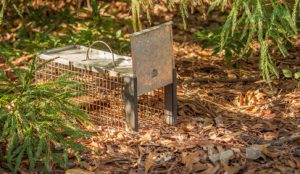
Removal methods are then implemented using humane techniques such as live traps and careful handling. Technicians may also employ exclusion strategies to prevent re-entry, repair damage, and provide recommendations for ongoing prevention. Follow-up procedures include monitoring, sanitation, and maintenance guidance, ensuring that the property remains protected over time.
Key Components of Effective Raccoon Removal
Effective raccoon removal relies on a combination of techniques that address both the current infestation and future risks. The main components typically include:
- Targeted removal strategies: Humane trapping and relocation or other safe handling methods based on raccoon behavior and activity patterns.
- Exclusion and structural reinforcement: Sealing entry points, repairing damaged structures, and installing protective barriers.
Additional components may include environmental management, sanitation improvements, and vegetation control. By addressing multiple aspects of the problem, professional services provide comprehensive and lasting protection.
Exclusion and Property Protection
Exclusion is a critical step in preventing future raccoon activity. Raccoons can exploit small openings to gain access to buildings, so sealing gaps, repairing damaged roof areas, and securing vents or chimneys are essential. Professional services use durable materials and techniques that resist the strength and dexterity of raccoons, ensuring long-term protection.
Proper exclusion prevents repeated intrusions and allows removal efforts to be more effective. Without addressing structural vulnerabilities, raccoons can easily return, leading to recurring damage and ongoing risks.
Sanitation and Environmental Management
Raccoons are highly attracted to food and water sources. Accessible garbage, pet food left outdoors, compost bins, and fruit-bearing trees all increase the likelihood of raccoon activity. Cluttered storage spaces and overgrown vegetation provide ideal shelter and cover.
Professional removal services provide guidance on sanitation practices, waste management, and property maintenance. Removing attractants and modifying the environment reduces the appeal of the property to raccoons, complementing exclusion measures and supporting long-term prevention.
Monitoring and Follow-Up
Monitoring and follow-up are essential for maintaining a raccoon-free property. Conditions may change over time due to weather, structural wear, or environmental changes, creating new opportunities for raccoon activity. Regular inspections allow professionals to identify early signs of renewed activity and intervene promptly.
Ongoing monitoring ensures that removal and prevention strategies remain effective. It also provides property owners with confidence that their homes or buildings are protected from wildlife damage over the long term.
Residential Raccoon Removal Services
Homes often provide multiple access points for raccoons, including attics, roof spaces, garages, and chimneys. Professional raccoon removal services for residential properties focus on protecting families, pets, and property from damage and health risks. Customized plans take into account household layout, storage habits, and occupancy patterns.
Homeowners benefit from guidance on long-term prevention, such as proper food storage, waste management, and property maintenance. By implementing these measures, residents can maintain a safe, secure, and comfortable living environment.
Commercial Raccoon Removal Services
Commercial properties face additional challenges due to their size, complexity, and level of activity. Raccoon infestations can damage inventory, disrupt operations, and compromise sanitation standards. Professional services for commercial spaces emphasize consistent inspections, preventive measures, and detailed documentation to maintain control.
Scheduled monitoring and follow-up interventions help reduce operational risks and protect the property from ongoing wildlife damage. Long-term service plans ensure proactive management, keeping commercial buildings secure and compliant with health and safety standards.
Long-Term Benefits of Professional Raccoon Removal
Investing in professional raccoon removal provides significant long-term value. By addressing both the immediate infestation and the factors that attract raccoons, these services reduce the likelihood of future issues. Preventing property damage, contamination, and health risks saves time, money, and stress over time.
Another benefit is peace of mind. Property owners can feel confident that their homes or buildings are protected by trained professionals using humane, effective, and comprehensive methods. Long-term monitoring and preventative strategies further strengthen this protection.
When to Seek Professional Raccoon Removal
Professional raccoon removal should be considered as soon as signs of activity are observed. Delaying intervention allows populations to grow and increases the risk of property damage and disease transmission. Signs such as persistent nocturnal noises, droppings, nesting materials, or evidence of entry indicate that professional services are necessary.
Early engagement results in more efficient removal, reduced structural damage, and faster restoration of a safe environment.
Final Thoughts on Professional Raccoon Removal
Raccoon infestations present complex challenges that require professional expertise. These animals are intelligent, strong, and capable of causing significant damage while posing health risks to humans and pets. Professional raccoon removal services offer safe, humane, and effective solutions that not only eliminate existing problems but also prevent ongoing wildlife damage.
Through inspection, targeted removal, exclusion, sanitation, and ongoing monitoring, these services provide long-term protection for both residential and commercial properties. Investing in professional raccoon removal ensures a safer, cleaner, and more secure environment, giving property owners confidence and peace of mind for the future.